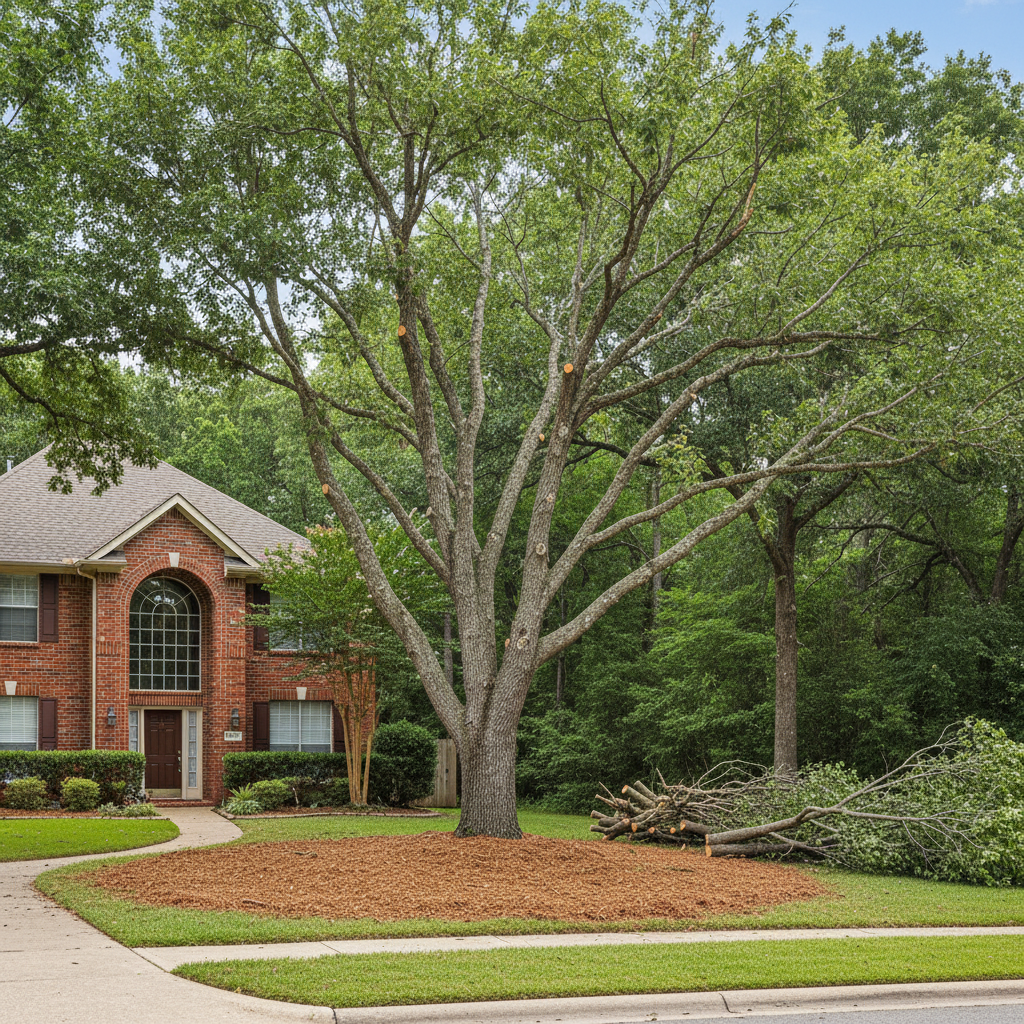
So, you just had your trees trimmed, and they look fantastic, right? Of course, you want that clean, healthy look to stick around for as long as possible. As someone who's been doing this for a while here in Kingwood, I can tell you that a good trim isn't a "set it and forget it" kind of deal. There's plenty you can do to extend the life of that work and keep your trees thriving, actually.
Making Your Tree Trimming Last
When we come out to prune your trees, we're not just hacking away at them. We're making strategic cuts to improve their health, structure, and overall appearance. To keep those benefits going, you should think about a few things. First, proper watering is huge, especially during our long, hot Texas summers. Even mature trees need a deep drink when it hasn't rained in a while. A well-hydrated tree is less stressed, you see, and less likely to sprout a bunch of water shoots that mess up the canopy we just shaped. Second, keep an eye on anything growing near the tree – things like vines or other plants that might compete for nutrients or even start climbing into the canopy. Get rid of them. They're freeloaders, plain and simple.
Another thing? Try to avoid compacting the soil around the base of the tree. That's where the roots are doing their hard work, after all. If you're constantly driving over it or piling heavy stuff there, you're basically suffocating those roots. A healthy root system means a healthy tree above ground, and a healthy tree holds its shape better and resists problems.
What Regular Maintenance Looks Like
Between those bigger, more involved professional trimmings, there's some basic stuff you can handle yourself if you're comfortable and have the right tools. We're talking about light, corrective pruning. Look for small dead branches – anything pencil-thin or smaller – that you can easily reach with hand pruners. Snip them off cleanly at the collar. Also, keep an eye out for suckers growing from the base of the tree or water sprouts shooting straight up from branches. These are usually weak growth that just drains energy from the tree. Get rid of them when they're small. It's like weeding a garden; it's always easier to do it often than let it get completely out of control.
For most mature trees, a professional trim every 2-3 years is a good general guideline. Some fast-growing species, especially young ones, might need it more often. But these little touch-ups you do yourself can make a big difference in keeping things tidy and healthy between our visits.
Warning Signs Your Trees Need Attention
Your trees are always talking to you, you just gotta know how to listen. Here are some red flags that tell you something's up and it might be time to call in Midway Tree Solutions:
- Dead or dying branches: If you see large branches without leaves, or leaves that are discolored and shriveled when they shouldn't be, that's a problem. Dead wood can fall and cause damage, which nobody wants.
- Cracks or splits in the trunk or major limbs: This is a serious structural issue. Don't ignore it.
- Fungus or mushrooms growing on the trunk or branches: This often indicates decay inside the tree.
- Excessive leaning: If your tree suddenly starts leaning more than usual, especially after a heavy rain or strong winds (which we get plenty of here in Kingwood, sometimes even from a hurricane coming through the Gulf), it could be a sign of root damage or instability.
- Branches rubbing together: This creates wounds where disease and pests can get in.
- Branches growing into power lines or your house: Obvious safety hazard. Don't try to fix this yourself.
- Sparse foliage or smaller-than-usual leaves: Could be a sign of stress, disease, or nutrient deficiency.
- Pest infestations: Look for holes in the bark, sawdust, or unusual insect activity.
If you see any of these, don't wait. A small problem can quickly become a big, expensive one, especially with our humid climate encouraging rot and disease.
When to Call a Professional
So, when do you put down the hand pruners and pick up the phone? Anytime you're dealing with anything more than small, easily accessible deadwood or suckers. Seriously, don't mess around with ladders and chainsaws. It's just not worth the risk, is it? Here's when you absolutely should call us:
- Large branch removal: Anything that requires a ladder, a pole saw, or a chainsaw.
- Branches overhanging your house, garage, or power lines: This is dangerous work that requires specialized equipment and training.
- Significant structural pruning: Things like crown reduction, thinning, or raising the canopy. These cuts need to be done correctly to maintain the tree's health and integrity.
- Storm damage: After a big storm, we can assess the damage safely and make the right cuts to help the tree recover or remove it if it's a hazard.
- Disease or pest diagnosis: If you're not sure what's wrong with your tree, we can identify the problem and recommend a course of action.
- Pre-construction or landscaping planning: If you're doing a big project, we can help ensure your trees are protected and properly pruned to fit the new landscape.
Look, your trees are an investment, and they add a lot of value and beauty to your Kingwood property. A little ongoing care and knowing when to call in the pros will keep them healthy and looking good for years to come. That's what we're here for.