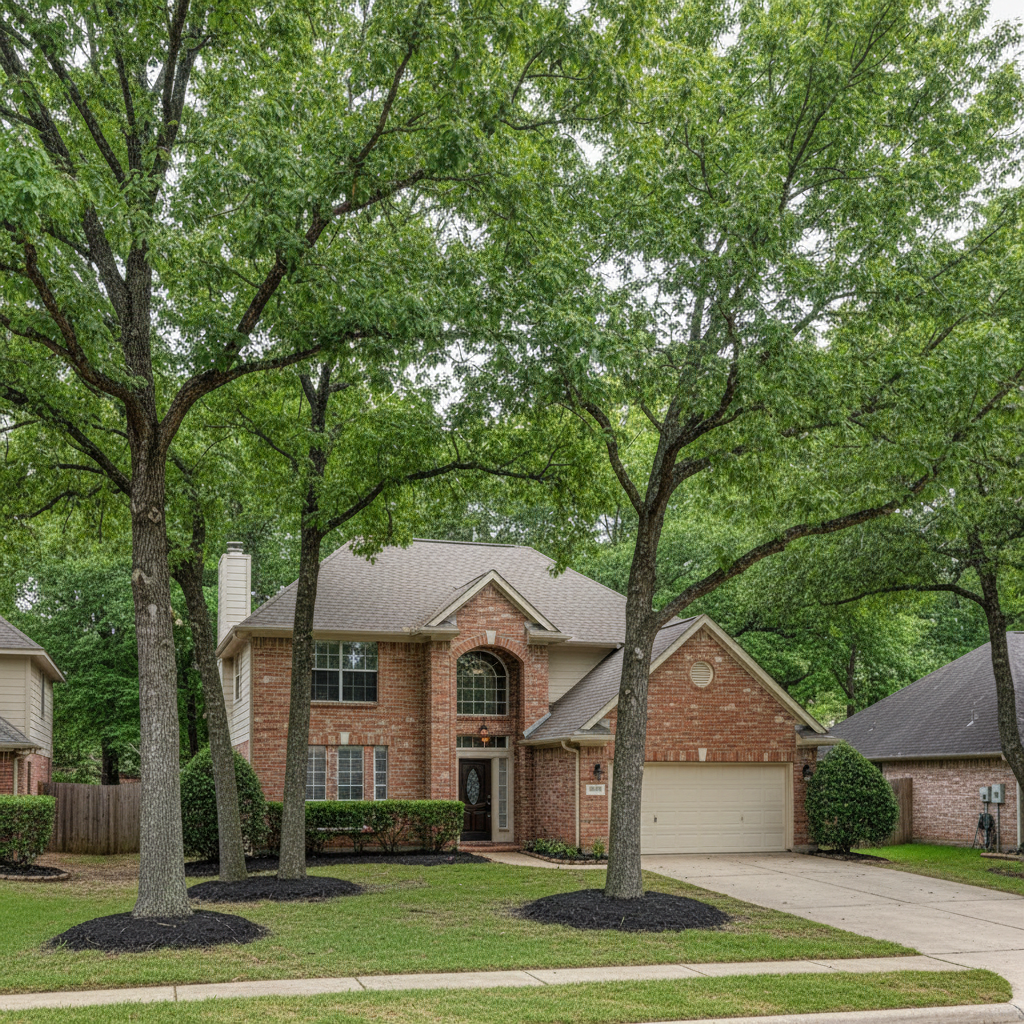
Ever look at your trees and just feel like something's not quite right? Maybe the leaves are looking a bit yellow, or you're spotting dead branches where they definitely shouldn't be. That's a pretty common sight around Kingwood, especially with our unique soil and weather patterns. Honestly, I’ve seen a lot of trees in this town — from the really old, established oaks over in Bear Branch to the newer plantings in Oakhurst — and every single one faces its own set of challenges.
Understanding Kingwood's Tree Challenges
Our trees here in Kingwood aren't just dealing with the occasional drought or a big storm, you know? They're also up against some pretty specific local conditions. For starters, we've got a ton of clay in our soil. That heavy clay can hold onto water really well, which sounds good on paper, but it can also lead to poor drainage and root rot if you don't manage it right. Then, on the flip side, when it gets dry, that clay turns rock-hard, making it super tough for roots to spread out and find nutrients.
And then there's the humidity. It's kind of a double-edged sword, isn't it? While it keeps everything green, it also creates a perfect breeding ground for all sorts of fungal diseases. I've personally seen plenty of oak wilt and powdery mildew around, especially after a particularly wet spring. Oh, and let's not forget the pests. From borers to scale insects, they're always just waiting for a stressed tree to call home.
What Your Trees Are Telling You
Your trees are always communicating; you just need to know how to listen. Here are a few things I often see that tell me a tree needs some help:
- Discolored Leaves: Yellowing, browning, or spots? These can point to nutrient deficiencies, disease, or even too much or too little water.
- Branch Dieback: Dead branches, especially up in the canopy, are a clear sign of stress. It might be disease, an insect problem, or issues with the roots.
- Fungal Growth: Mushrooms or conks growing on the trunk or at the base of the tree are a huge red flag. They often mean there's internal decay happening inside.
- Leaning or Cracks: This one's serious. A tree that's suddenly leaning, or has big cracks in its trunk or main branches, could be structurally unsound. That's a hazard, plain and simple.
- Poor Growth: If your tree isn't putting on new growth like it used to, or the leaves are smaller than normal, it's probably not getting what it needs.
Proactive Care: More Than Just Watering
You can't just plant a tree and forget about it, not here anyway. Regular, proactive care makes a huge difference. It's not just about trimming dead branches; it's about understanding the whole system, the entire tree.
First off, soil health is incredibly important. Sometimes, just amending the soil to improve drainage or adding specific nutrients can completely turn a struggling tree around. I often recommend soil testing to really pinpoint what's missing. You wouldn't believe what a difference a little aeration or some good compost can make in our Kingwood clay.
Proper watering is another big one. Deep, infrequent watering is usually better than those shallow, frequent sprinkles. This encourages roots to grow deeper, making the tree much more resilient to drought.
And then there's pest and disease management. Catching these issues early is absolutely key. A lot of folks try to tackle these things themselves, but sometimes you really need a professional eye to identify the exact problem and apply the right treatment. There are specific treatments for things like oak wilt that you absolutely don't want to mess up.
Why Local Expertise Matters
Look, there are a lot of tree services out there. But when it comes to the unique conditions of Kingwood, you really want someone who knows the local landscape. Someone who's seen how our heavy rains affect drainage, how our summer heat stresses certain species, and which pests are common in different neighborhoods. That's crucial.
I've been working with trees in this area for years. I know the difference between a water-stressed sycamore and one with anthracnose. I know what kind of support an old pecan tree in Forest Cove might need versus a younger live oak in Woodstream. That kind of local knowledge isn't something you get from a textbook; it comes from boots on the ground, day in and day out.
At Midway Tree Solutions, we're not just cutting branches; we're looking at the overall health of your tree and how it fits into your property and our local environment. We want your trees to be healthy, beautiful, and safe for years to come. If you've got concerns about your trees, please don't wait until it's too late. Give us a call; we're happy to take a look and give you an honest assessment.