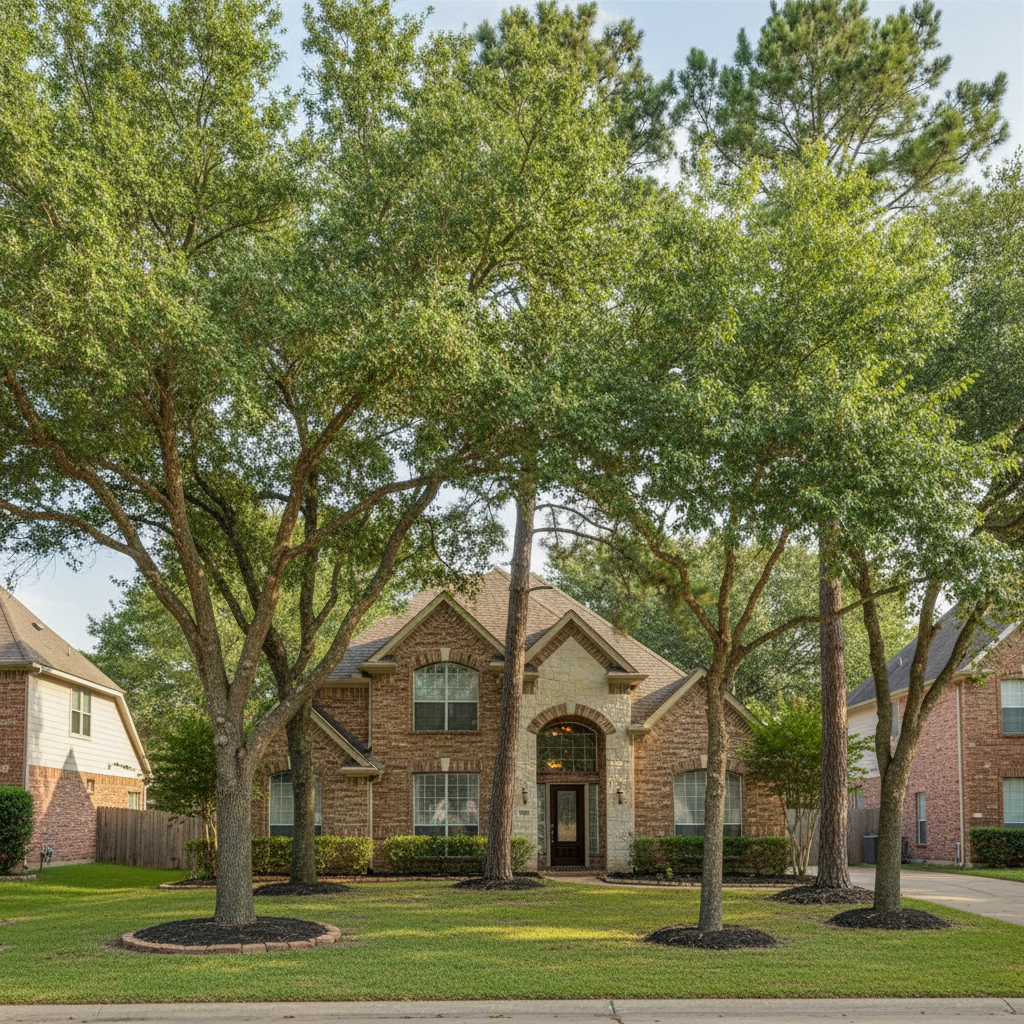
Ever wonder why some trees around Kingwood just seem to thrive, while others in the same neighborhood look a bit… sad? It’s not always about how much water they get or if they’re getting trimmed, you know. A lot of it comes down to really understanding our specific local conditions here in Kingwood, and how that impacts tree health.
Our Kingwood Climate Is a Mixed Bag for Trees
We’ve got a pretty unique climate, wouldn't you say? One minute it's scorching hot and humid, the next we're dealing with a sudden freeze or a tropical storm dumping inches of rain. These extremes really put a lot of stress on trees. Take those big, beautiful Live Oaks that are so common in places like Kingwood Lakes or Fosters Mill, for example. They’re tough, sure, but even they can suffer from a long drought followed by heavy rains. That can easily lead to root rot or fungal issues if the soil doesn't drain well.
Then there's our soil. A lot of Kingwood sits on pretty heavy, clay-rich soil. That’s actually great for holding moisture during dry spells, but it can get compacted and waterlogged when we get those massive downpours. Tree roots need oxygen, and if they're sitting in water for too long, they can literally suffocate. This is why you might see trees struggling even if they're getting plenty of water – it's the quality of the soil and drainage that's causing the trouble.
Common Tree Problems I See Around Here
Working in Kingwood, I see a few recurring issues directly tied to our environment:
- Fungal Diseases: High humidity and warm temperatures are a perfect breeding ground for various fungi. I've seen a lot of powdery mildew, leaf spot, and even some canker diseases, especially on younger or stressed trees. Catching these early? That's key.
- Pest Infestations: Just like us, pests love our climate. Scale insects, aphids, and borers are common. A healthy tree can usually fight them off, but a stressed tree is practically an open invitation.
- Root Issues: As I mentioned, that clay soil can be a real problem. Poor drainage leads to root rot, and compacted soil means roots can’t spread out and get the nutrients they need. Sometimes, you'll see a tree slowly decline and wonder why, and it's all happening underground.
- Storm Damage: We're in Hurricane Alley, folks. Every few years, we get hit with a big one, or at least a severe thunderstorm. Weak limbs, overhanging branches, or trees with compromised root systems are a huge liability during these events. Prevention through proper care and trimming is just way better than dealing with the aftermath.
Why Local Expertise Isn't Just a Buzzword
You can read all the general tree care articles you want, but they won't tell you how to deal with a Post Oak struggling in Kingwood's specific clay soil. They also won't teach you how to identify the early signs of a specific fungal disease that's prevalent in our area. That's where local expertise really comes in handy.
When I or my crew from Midway Tree Solutions come out to your property, we're not just looking at your tree in isolation. We're looking at the whole picture: the type of tree, your soil, the drainage, the surrounding landscape, and even the recent weather patterns. We know what problems are common for specific tree species in Kingwood because, well, we see them every day, year after year.
For instance, if you've got a beautiful Magnolia in your backyard in Kings Forest, I know that they generally prefer well-drained, acidic soil. If yours is looking chlorotic (yellowing leaves), my first thought isn't just a generic nutrient deficiency; it's considering our alkaline clay soil and whether it's impacting nutrient uptake. It’s about understanding the specific challenges and opportunities our local environment presents.
We're not just tree guys; we're Kingwood tree guys. We understand the nuances of keeping trees healthy and beautiful in our particular corner of Texas. Don't just get any tree service; get one that knows Kingwood inside and out. It truly makes a real difference for the long-term health and safety of your trees and your property.