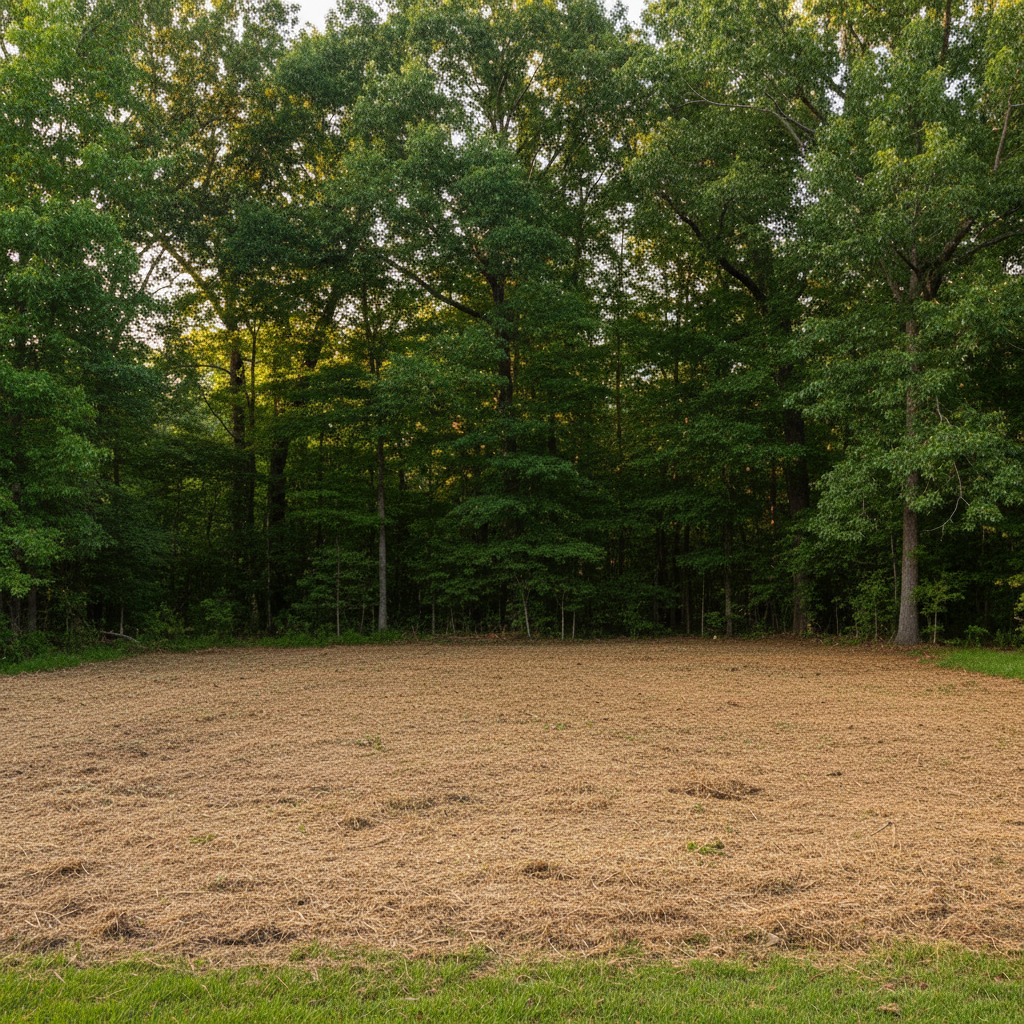
So, you've had your land cleared. Now what?
You’ve put in the work, maybe you’ve got a new construction project going, or you just wanted to reclaim some overgrown space on your Kingwood property. That’s great! But I've seen it time and time again: folks think once the trees are down and the brush is gone, the job's done. Not quite. Land clearing is a big investment, and if you don't keep up with it, you'll be right back where you started, sometimes faster than you'd think, especially with our Texas climate.
Think of it like this: you wouldn't get a new car and never change the oil, right? Same principle applies here. You've got to maintain that cleared land to extend the life of the work and protect your investment. Otherwise, all that effort and money just goes to waste.
Extending the Life of Your Land Clearing
The biggest thing you can do to keep your cleared land clear is to tackle regrowth early. We're in Kingwood, right? We've got plenty of rain, warm weather, and rich soil. That means things grow back fast. You can’t just clear it and forget it. Here’s what I tell my clients:
- Grub out those stumps and roots: If you didn't get stump grinding or root removal done during the initial clearing, you're going to have sprouts. A lot of them. Especially from aggressive species like Privet or Chinese Tallow, which are rampant around here. Those roots are still alive, and they'll try to send up new growth. Get rid of them properly the first time, or you'll be fighting them forever.
- Install erosion control: This is huge, especially if you're on a slope or near a waterway. Our heavy Kingwood downpours can wash away topsoil in a hurry once the protective tree canopy and root systems are gone. Silt fences, erosion blankets, or even just planting a quick cover crop can make a world of difference.
- Consider your long-term plan: What's the cleared land for? If it's for a new build, you'll be moving dirt anyway. If it's for a pasture or a garden, you'll need to prepare the soil and plant. Having a plan helps you manage the space effectively and prevents it from turning back into a jungle.
What Regular Maintenance Looks Like
Regular maintenance isn't rocket science, but it does require consistency. It's mostly about staying ahead of nature, which, let's be honest, is always trying to reclaim its territory.
- Mowing and brush hogging: This is your best friend. For larger areas, a brush hog is ideal. For smaller, more accessible spots, a heavy-duty mower works. You want to cut down new saplings and brush before they get established. Do this every few months, or at least twice a year, especially during the spring and summer growing seasons.
- Spot treatment for stubborn weeds: Sometimes, mowing isn't enough for certain invasive species. You might need to use a targeted herbicide on specific plants. Just be careful and follow the instructions, especially if you have pets or want to plant other things later.
- Drainage checks: After a good rain, walk your property. Are new puddles forming where there weren't before? Is water flowing away from your structures? Cleared land can change drainage patterns, and you want to catch potential issues early.
- Inspect for new growth: Take a walk around your property regularly. Look for any new saplings popping up, especially along the edges of the cleared area or where stumps might have been. The smaller they are, the easier they are to remove.
Warning Signs of Problems
You'll know when things are going south. Here are some red flags that mean you need to step up your game or call in help:
- Rapid regrowth of woody plants: If you see a bunch of small trees or thick brush coming back quickly, especially species you thought were gone, you've got a problem brewing. It means the root systems are still active and thriving.
- Erosion channels: Little gullies forming after rain are a clear sign that your topsoil is washing away. This can lead to bigger problems, like foundation issues if it's near a building, or just a loss of fertile soil.
- Standing water: Puddles that don't drain within a day or two can indicate compaction issues or improper grading. This can kill off desired vegetation and create breeding grounds for mosquitoes.
- Pest infestations: Cleared land, especially if there are leftover wood piles or debris, can attract pests like termites, fire ants, or even rodents. Keep an eye out for unusual activity.
When to Call a Professional
Look, I'm a big believer in DIY when you can, but some jobs are just too big or too specialized. Don't be afraid to call in the pros. That's what we're here for.
- When regrowth is overwhelming: If you've let it go for a bit and now you've got a small forest coming back, your lawnmower isn't going to cut it. A professional land clearing company like Midway Tree Solutions has the equipment – the brush hogs, mulchers, and excavators – to efficiently tackle large areas of dense regrowth.
- For stump and root removal: If you're tired of fighting sprouts from old stumps, get them ground out properly. It's a specialized job that requires specific equipment.
- Drainage and grading issues: If you're seeing significant erosion or persistent standing water, you might need professional grading or the installation of proper drainage systems. This isn't something you want to mess up.
- Hazardous tree removal: Sometimes, even after clearing, you might have a few trees on the perimeter that are dead or dying and could pose a risk. Don't try to take those down yourself. It's just not worth the risk.
- Invasive species management: If you're dealing with a particularly aggressive or toxic invasive plant, a professional can advise on the best removal and treatment methods to ensure it doesn't come back.
Keeping your cleared land looking good and serving its purpose takes a little effort, but it's totally worth it. Stay on top of it, and you'll protect your investment for years to come.